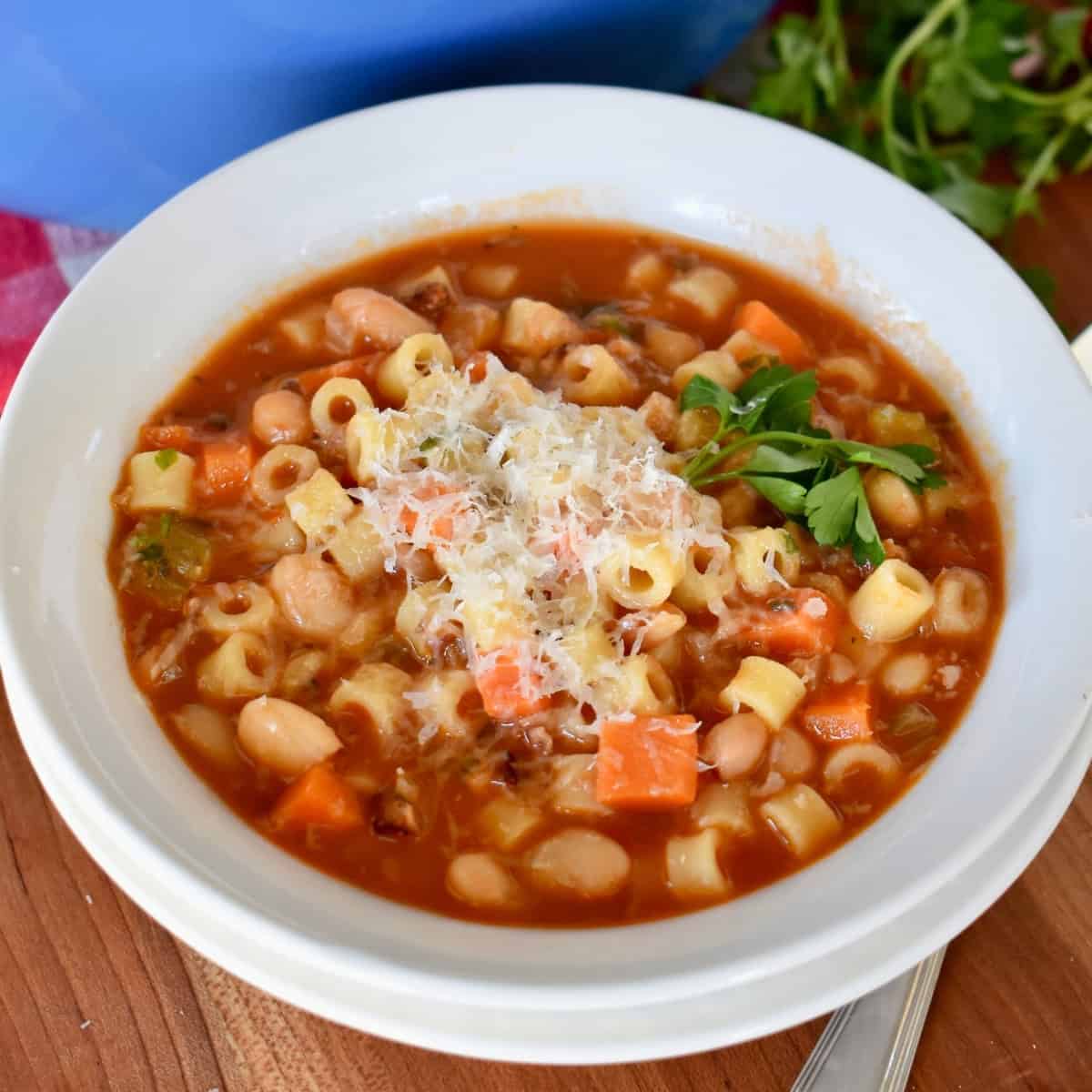
Pasta e Fagioli Guide: Regional Flavors & Choosing the Best Beans
There's an undeniable warmth and simplicity to a steaming bowl of pasta e fagioli, often affectionately called "pasta fazool" by Italian-Americans. This beloved Italian peasant dish, a masterpiece of *cucina povera*, transforms humble ingredients—pasta, beans, and vegetables—into a symphony of flavor and comfort. More than just a soup, it's a culinary hug, a dish passed down through generations, embodying the heart and soul of Italian home cooking. Whether you're craving a rich, hearty northern version or a lighter, zestier southern take, understanding the nuances of this classic can elevate your homemade pasta fagioli recipe from good to truly extraordinary.
This comprehensive guide will delve into the storied past of pasta e fagioli, explore its fascinating regional variations, and, crucially, equip you with the knowledge to select and prepare the perfect beans that form the foundation of this iconic dish. Get ready to uncover the secrets to an authentic and deeply satisfying bowl.
The Heartwarming History of Pasta e Fagioli: From Peasant Staple to Comfort Classic
The origins of pasta e fagioli stretch back centuries, rooted deeply in Italy's rural traditions. Born out of necessity, it was originally a staple for farmers and common folk, who ingeniously combined two of the most affordable and nutritious ingredients available: dried pasta and beans. This combination provided a high-protein, energy-rich meal that sustained hardworking families without requiring expensive meats or elaborate preparations. The philosophy of *cucina povera*, or "poor cooking," celebrates resourcefulness and making the most of simple, seasonal ingredients, and pasta e fagioli stands as one of its finest examples.
What truly defines an authentic pasta fagioli recipe is its deceptive simplicity. It relies not on exotic spices or complex techniques, but on the inherent quality of its components: robust olive oil, garden-fresh vegetables, perfectly cooked beans, and pasta that dutifully absorbs every drop of the savory broth. Over time, this nourishing stew transcended its humble beginnings to become a universal symbol of Italian comfort food, cherished for its rich textures, balanced flavors, and the effortless way it brings people together around the table. To learn more about its fascinating journey, you might enjoy reading
From Peasant Dish to Comfort Classic: The History of Pasta Fagioli.
Navigating Regional Nuances: A Taste of Italy's Pasta e Fagioli
While the core elements of pasta, beans, and broth remain constant, Italy's diverse culinary landscape has given rise to a myriad of regional interpretations of pasta e fagioli. Each region, influenced by local produce and historical traditions, adds its unique flair, resulting in soups that can feel vastly different yet equally authentic.
*
Northern Italy: Hearty and Thick
In regions like Tuscany and Emilia-Romagna, pasta e fagioli often leans towards a richer, thicker consistency. These versions frequently feature borlotti beans, known for their creamy texture and nutty flavor, and are typically simmered in a savory broth that may include a hint of pancetta or a parmesan rind for added depth. Shorter, sturdier pasta shapes like ditalini, tubetti, or even small elbow macaroni are preferred, chosen for their ability to hold up to the dense texture and absorb the robust flavors. The broth might be less tomato-heavy, allowing the earthiness of the beans and a rich soffritto (sautéed onion, carrot, and celery) to shine through.
*
Southern Italy: Lighter and Tomato-Forward
As you travel south, the pasta e fagioli recipe tends to become lighter and brighter, often showcasing a more pronounced tomato base. Cannellini beans, with their smooth texture and mild flavor, are a common choice. In regions like Campania (Naples) and Puglia, the broth is typically lighter, infused with abundant garlic, fresh herbs like basil and oregano, and a generous amount of crushed tomatoes or tomato paste. Pasta shapes might include broken spaghetti, ditalini, or *mista di pasta* (a mix of small pasta pieces), which are perfect for soaking up the lighter, more aromatic broth.
Neapolitan "Pasta Fazool": A Southern Gem
Nowhere is the southern style more distinct than in Naples, where the dish is affectionately known as "pasta fazool"—a dialectal derivation of *pasta e fagioli*, with "fazool" coming from the Neapolitan word for beans, *fasule*. This version often prioritizes a vibrant interplay of extra garlic, a generous amount of fresh parsley or basil, and a clear, flavorful tomato broth, sometimes eschewing meat entirely for a pure vegetarian experience. The simplicity and freshness of ingredients are paramount, delivering a bright, comforting soup that perfectly captures the spirit of Neapolitan home cooking. Regardless of regional preference, both the hearty northern approach and the bright southern style offer an authentic taste of Italian tradition.
The Soul of the Dish: Choosing & Preparing the Best Beans for Your Pasta Fagioli Recipe
The quality and preparation of the beans are paramount to crafting an outstanding pasta fagioli recipe. They are not merely an ingredient but the very heart of the soup, providing texture, body, and a significant portion of its flavor profile.
Traditional Bean Choices and Their Characteristics:
*
Borlotti Beans (Cranberry Beans): These are often considered the gold standard for an authentic pasta fagioli. Known for their striking speckled pink and white skins, borlotti beans transform into a wonderfully creamy, almost starchy texture when cooked, boasting a distinct nutty flavor that helps thicken the soup naturally.
*
Cannellini Beans (White Kidney Beans): A close second in popularity, cannellini beans offer a smooth, buttery texture and a mild, earthy flavor. They hold their shape beautifully even after simmering, making them an excellent choice, especially for lighter, tomato-based versions of the soup.
While borlotti and cannellini are the traditional choices, other small white beans like Great Northern or navy beans can be used in a pinch, though they may offer a slightly different texture and flavor profile.
Dried vs. Canned Beans: The Great Debate
The choice between dried and canned beans can significantly impact the final dish.
*
Dried Beans: For Unrivaled Flavor and Texture
*
Pros: Cooking dried beans from scratch yields unparalleled depth of flavor and a superior, creamy texture. The cooking liquid itself becomes a rich, flavorful broth that greatly enhances the soup. It's the most authentic route for a truly traditional pasta fagioli recipe.
*
Preparation:
1.
Soaking: Always soak dried beans before cooking. An overnight soak (8-12 hours) in plenty of cold water is ideal. Alternatively, for a quick soak, bring beans to a boil in water, simmer for 5 minutes, then remove from heat and let stand for 1 hour.
2.
Cooking: After soaking and rinsing, simmer the beans slowly in fresh water with aromatics like a bay leaf, a whole garlic clove, a piece of onion, or a sprig of rosemary. Crucially, *do not add salt* until the beans are tender, as salt can toughen the skins and prevent them from softening properly. Slow cooking allows them to become incredibly tender and flavorful.
*
Canned Beans: For Convenience and Speed
*
Pros: Canned beans are a fantastic time-saver, making a weeknight pasta fagioli recipe entirely feasible. They are pre-cooked and ready to use.
*
Preparation: Always thoroughly rinse canned beans under cold running water. This removes excess sodium and any starchy, sometimes metallic-tasting liquid from the can, ensuring a cleaner, fresher flavor for your soup. Opt for high-quality brands that use minimal additives.
Ultimately, whether you choose dried or canned, the beans are the backbone of this comforting dish, providing not just protein and fiber, but also the creamy consistency and rustic charm that define a truly magnificent pasta e fagioli.
Crafting Your Authentic Pasta Fagioli: Beyond the Beans
While beans are central, an exceptional pasta fagioli recipe relies on a harmonious blend of other key ingredients and thoughtful cooking techniques.
The Foundational Soffritto
Almost every great Italian soup begins with a *soffritto*—a slow-cooked aromatic base of finely diced onion, celery, and carrot. Sautéing these vegetables gently in good quality extra virgin olive oil until soft and translucent builds an incredible flavor foundation. For an even richer base, some traditional recipes start by rendering a small amount of pancetta or guanciale before adding the vegetables.
The Broth: The Liquid Gold
The broth acts as the vehicle for all the flavors. A high-quality vegetable or chicken broth is essential. Homemade broth will always yield the best results, but a good low-sodium store-bought broth can work wonders in a pinch. To deepen the umami, consider adding a tablespoon of tomato paste, a crushed garlic clove, or even a parmesan rind to simmer with the broth as the soup develops.
Choosing the Right Pasta Shape
The pasta in pasta e fagioli isn't just a filler; it's an integral component. Short pasta shapes are traditional because they blend well with the beans and broth without overwhelming the dish. Common choices include:
*
Ditalini: Small, tube-shaped pasta, perfect for scooping with beans.
*
Tubetti: Slightly larger tubes, similar to ditalini.
*
Elbow Macaroni: A readily available and effective alternative.
*
Broken Spaghetti or Tagliatelle: Often used in southern variations, the smaller pieces integrate beautifully.
It's important to cook the pasta *al dente* (firm to the bite). You can cook it directly in the soup, which allows the pasta to absorb more flavor and release starches that thicken the broth naturally. However, if you plan on having leftovers, consider cooking the pasta separately and adding it to individual bowls before serving. This prevents the pasta from becoming mushy and absorbing all the liquid overnight.
Aromatics, Herbs, and Finishing Touches
Generous amounts of fresh garlic are a must, especially in southern versions. Fresh herbs like rosemary, sage, and parsley add vibrant freshness. A bay leaf or two simmered with the soup will impart subtle, savory notes. Always season with salt and freshly ground black pepper to taste throughout the cooking process. Finally, a generous drizzle of high-quality extra virgin olive oil just before serving adds a luxurious sheen and enhances the overall flavor. Some like to finish with a sprinkle of grated Pecorino Romano or Parmesan cheese. For more traditional methods and expert tips, be sure to check out
Authentic Pasta Fagioli: Traditional Recipe & Italian Secrets.
Conclusion
Pasta e fagioli is more than just a dish; it's a testament to Italy's culinary soul—a comforting, nourishing, and deeply flavorful expression of tradition and ingenuity. From its humble origins as a peasant staple to its status as a global comfort food icon, its enduring appeal lies in its adaptability and the simple magic of good ingredients working in harmony. By understanding the importance of selecting the right beans, appreciating the subtle differences between regional styles, and mastering the foundational techniques, you can craft a pasta fagioli recipe that truly sings with authentic Italian flavor. So, gather your ingredients, embrace the process, and savor a bowl of this timeless classic – a true taste of Italy's heartwarming culinary heritage.