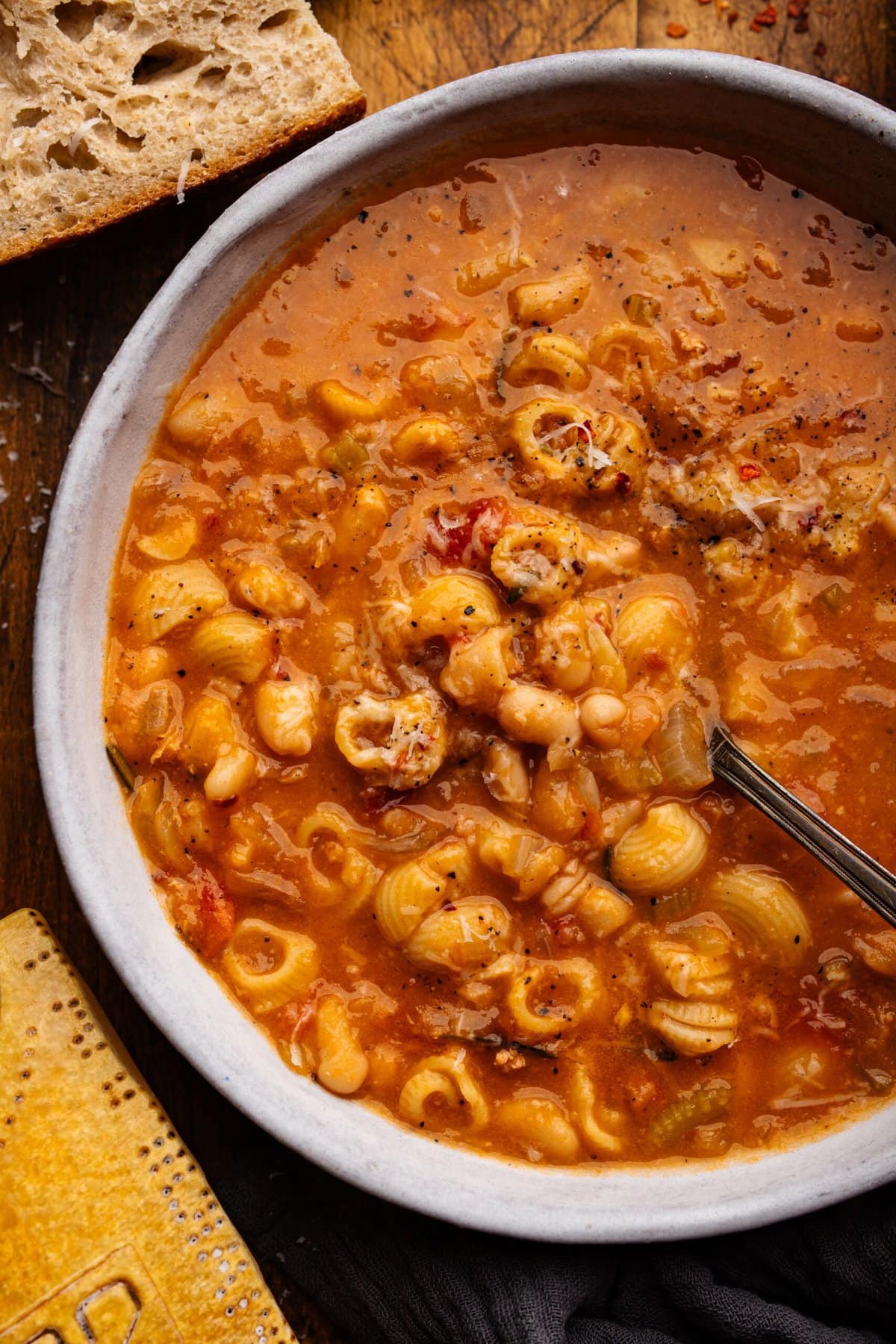
There's a universally comforting embrace found in a warm bowl of authentic pasta fagioli recipe. Known in Italy simply as pasta e fagioli, this rustic, hearty Italian soup transcends its humble origins to become a symbol of home, love, and culinary simplicity. It’s the kind of dish passed down through generations, perfected by nonnas who understood that the best food doesn't require extravagance, but rather quality ingredients, patience, and a touch of genuine affection.
This comprehensive guide will unlock the secrets to preparing a truly traditional pasta fagioli recipe. From its fascinating roots in Italian peasant cuisine to selecting the perfect beans and mastering essential cooking techniques, you’ll discover how to create a bowl brimming with rich textures and balanced flavors that will transport you straight to the heart of Italy. Prepare to craft a meal that is both profoundly satisfying and deceptively simple.
Understanding the Heart of Italy: What is Pasta Fagioli?
At its core, pasta fagioli is a delightful blend of pasta, beans (fagioli), and vegetables, simmered in a savory broth. It's a testament to the Italian philosophy of "cucina povera" – the art of making incredibly flavorful meals from inexpensive, readily available ingredients. Far from being "poor," this cooking style champions resourcefulness and celebrates the inherent deliciousness of simple components.
The beauty of an authentic pasta fagioli recipe lies in its versatility and adaptability. While the foundational elements remain consistent, the nuances in preparation reflect the diverse culinary landscape of Italy. Every spoonful offers a tender bite of bean, a perfectly al dente piece of pasta, and a flavorful broth infused with aromatic vegetables. It’s a complete meal in itself, delivering warmth, nutrition, and an unparalleled sense of coziness.
The Rich Tapestry: History and Regional Delights of Pasta e Fagioli
The story of pasta e fagioli is as rich and layered as the soup itself, deeply embedded in Italy’s history and regional traditions. To truly appreciate its authentic flavor, it's worth understanding its journey.
A Humble Beginning: From Peasant Staple to Beloved Classic
The origins of pasta e fagioli trace back centuries, primarily in rural Italy where beans were a fundamental source of protein for peasant families. Combined with pasta, another inexpensive staple, it created a nourishing and filling meal that could feed many. Each region, village, and even individual family developed its own rendition, relying on locally sourced ingredients and time-honored techniques. This evolutionary journey from a basic sustenance dish to a beloved comfort food highlights its enduring appeal and adaptability. To delve deeper into this fascinating transformation, explore From Peasant Dish to Comfort Classic: The History of Pasta Fagioli.
A Culinary Map: Exploring Regional Pasta Fagioli Variations
While the essence of pasta e fagioli remains consistent, its regional interpretations offer a delightful exploration of Italian culinary diversity. These variations are not mere footnotes but distinct expressions of local tastes and available produce:
- Northern Italy: In regions like Veneto or Emilia-Romagna, you’ll often find a thicker, creamier pasta fagioli recipe. These versions frequently feature rich borlotti beans, a heartier broth (sometimes with a touch of pancetta or guanciale for depth), and small, robust pasta shapes like ditalini, tubetti, or even broken spaghetti. The consistency can be almost stew-like, perfect for colder climates.
- Southern Italy: Moving south, particularly towards Naples, the dish takes on a lighter, often tomato-based character. Here, cannellini beans are preferred for their delicate flavor and creamy texture, and the broth tends to be thinner, allowing the brightness of the tomato and fresh herbs like basil or parsley to shine. In Naples, it's famously called pasta fazool, a charming dialectal corruption of "fasule" (beans). This southern style often emphasizes more garlic and a generous drizzle of good olive oil.
Understanding these regional nuances allows for a truly personalized pasta fagioli experience, whether you lean towards a rustic, hearty bowl or a brighter, more aromatic one. For an in-depth exploration of these regional differences and how to choose the best beans for your specific preference, check out our Pasta e Fagioli Guide: Regional Flavors & Choosing the Best Beans.
Crafting Your Authentic Pasta Fagioli: Key Ingredients & Expert Tips
The true magic of an authentic pasta fagioli recipe lies in the quality and preparation of its core ingredients. No fancy tricks are needed, just respect for tradition and a keen eye for freshness.
The Bean Foundation: Selecting Your Star Legumes
Beans are the undeniable heart of pasta fagioli. The traditional choices are:
- Borlotti Beans (Cranberry Beans): These are often considered the gold standard in Italy. Their beautiful speckled skin, creamy texture when cooked, and nutty flavor make them ideal for thickening the soup and imparting a rich taste.
- Cannellini Beans: A close second in popularity, cannellini beans offer a smoother, milder flavor and maintain their shape exceptionally well during simmering. They're particularly favored in southern Italian renditions.
While high-quality canned beans (rinsed thoroughly) are convenient, cooking dried beans from scratch will undoubtedly elevate your pasta fagioli recipe. Soaking them overnight and then simmering them slowly with aromatics like garlic, onion, and a bay leaf deepens their flavor profile and yields a superior texture that canned versions simply can't match. This small effort makes a significant difference in the final taste of your authentic pasta fagioli.
Pasta Perfection: Choosing the Right Shape
The pasta in pasta fagioli should be small and sturdy enough to hold up to simmering without becoming mushy, yet able to absorb the flavors of the broth. Traditional choices include:
- Ditalini: Small, tube-shaped pasta, perfect for scooping up with beans.
- Tubetti: Slightly larger, short tubes that add good body to the soup.
- Elbow Macaroni: A readily available and excellent alternative.
Expert Tip: Cook the pasta separately to just under al dente, drain it, and add it to individual bowls before ladling in the soup. This prevents the pasta from overcooking and becoming bloated or mushy if you have leftovers. Alternatively, if serving immediately, you can add it directly to the soup pot in the last 5-7 minutes of cooking.
Aromatics and Broth: Building Layers of Flavor
The foundation of any great Italian soup is its soffritto—a finely diced mixture of onion, carrot, and celery gently sautéed in olive oil. This simple trifecta creates a sweet, aromatic base. Beyond the soffritto, other key flavor builders include:
- Garlic: Essential for that unmistakable Italian zest.
- Extra Virgin Olive Oil: Use a good quality oil, especially for finishing the dish.
- Tomatoes: Depending on the region, crushed tomatoes or tomato paste add depth and a touch of acidity.
- Herbs: Fresh rosemary, thyme, or bay leaves impart warmth and fragrance. Fresh parsley or basil for garnish adds brightness.
- Broth: Vegetable broth is traditional, but chicken broth can be used for a richer flavor. For an even more authentic touch, consider adding a parmesan rind to the broth as it simmers.
Step-by-Step: Mastering the Traditional Pasta Fagioli Recipe
Creating your own authentic pasta fagioli recipe is a rewarding experience. Follow these steps to achieve a truly delicious result.
Prepping Your Ingredients
Start by finely dicing your onion, carrot, and celery for the soffritto. If using dried beans, ensure they are cooked and ready. For canned beans, rinse them well. Measure out your pasta and have your broth, tomatoes (if using), and herbs ready.
Sautéing for Flavor
In a large, heavy-bottomed pot or Dutch oven, heat a generous amount of good quality extra virgin olive oil over medium heat. Add the diced onion, carrot, and celery. Cook gently, stirring occasionally, until the vegetables are softened and translucent, about 8-10 minutes. This slow sautéing is crucial for developing the foundational flavors. Next, add minced garlic and any optional savory additions like a pinch of red pepper flakes or finely diced pancetta (if using for a richer northern style), cooking for another 1-2 minutes until fragrant.
Simmering to Perfection
Stir in the tomato paste (if using) and cook for a minute to deepen its flavor. Then, add the beans (reserving about a cup to mash later for thickness), crushed tomatoes (if using), and vegetable or chicken broth. Add fresh herbs like a sprig of rosemary or a bay leaf. Bring the mixture to a gentle simmer, then reduce the heat to low, cover, and let it cook for at least 20-30 minutes. This allows the flavors to meld beautifully. During this time, mash the reserved beans with a fork and stir them back into the soup; this naturally thickens the broth without needing any cream or flour.
The Final Touches
Once the soup has simmered and the flavors have deepened, taste and adjust seasoning with salt and freshly ground black pepper. If cooking pasta directly in the soup, add it now and cook according to package directions until just al dente. If cooking pasta separately, do so while the soup is finishing. Serve your authentic pasta fagioli hot, garnished with a drizzle of robust extra virgin olive oil, a sprinkle of fresh parsley or basil, and a generous grating of Pecorino Romano or Parmesan cheese. A crusty piece of bread on the side is the perfect accompaniment for soaking up every last drop.
Making an authentic pasta fagioli recipe is an act of culinary love, connecting you to generations of Italian home cooks. It’s a dish that proves simplicity, when combined with quality ingredients and thoughtful preparation, can result in something truly extraordinary.
