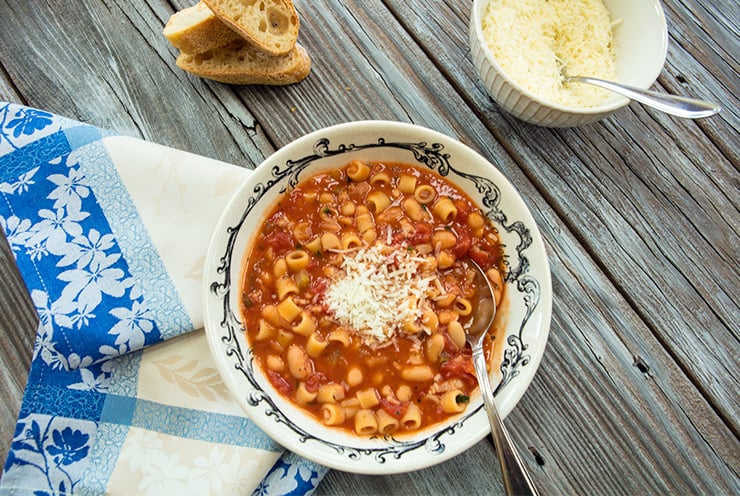
From Peasant Dish to Comfort Classic: The History of Pasta Fagioli
There are few dishes that evoke the warmth and tradition of Italian home cooking quite like a hearty bowl of pasta fagioli. Often described as a hug in a bowl, this deceptively simple soup, made with humble pasta, nutritious beans, and aromatic vegetables, has transcended its origins to become a global favorite. Known in Italy as pasta e fagioli, it's the kind of meal lovingly prepared by generations of grandmothers, perfected through instinct and a deep understanding of flavor. If you're searching for an authentic pasta fagioli recipe, understanding its rich history and regional nuances is key to truly appreciating its comforting appeal.
From its roots as sustenance for the rural poor to its modern-day status as a beloved comfort food, the journey of pasta fagioli is a testament to the power of simple ingredients transformed by culinary wisdom. In this comprehensive guide, we'll delve into its fascinating past, explore its diverse regional interpretations, and uncover the secrets to crafting an irresistibly rich and authentic pasta fagioli recipe right in your own kitchen.
The Humble Beginnings: A Peasant's Masterpiece
The story of pasta e fagioli is deeply intertwined with Italy's rural traditions, stretching back centuries. It emerged as a quintessential peasant dish, born out of necessity and ingenuity. At its core, the dish combined two incredibly inexpensive, yet highly nutritious, staples: pasta and beans. These ingredients, readily available to even the poorest families, were transformed into a complete, protein-rich meal that provided sustained energy for arduous days of labor.
Historically, meat was a luxury, making beans an invaluable source of protein. Pasta, especially the smaller, broken shapes, was an economical way to add bulk and satisfaction. The beauty of this original pasta fagioli recipe lay in its utter simplicity. There was no need for elaborate techniques or expensive components; just good olive oil, seasonal vegetables, tender beans, and pasta that would lovingly absorb the flavorful broth. This unpretentious approach made it a staple in countless Italian households, becoming synonymous with nourishment, resourcefulness, and the profound love embedded in home cooking. Over time, this rustic concoction evolved from a mere means of survival into a cherished symbol of Italian comfort food, celebrated for its robust texture and balanced flavors that come together effortlessly.
A Tapestry of Flavors: Regional Variations of Pasta e Fagioli
While the fundamental concept of pasta, beans, and broth remains the soul of pasta e fagioli, Italy's diverse culinary landscape has given rise to countless regional interpretations. Each area, influenced by local produce, climate, and historical practices, has added its unique flair to the dish, showcasing the incredible versatility of the basic pasta fagioli recipe.
In the northern regions of Italy, particularly Lombardy and Veneto, you'll often encounter thicker, creamier versions. These often feature indigenous borlotti beans (also known as cranberry beans) and shorter, heartier pasta shapes like ditalini, tubetti, or even broken spaghetti. The broth here tends to be richer, sometimes with a touch of pancetta or pork rind simmered in for depth, and less reliant on tomatoes. The northern style is often characterized by a more pronounced bean flavor and a velvety mouthfeel.
As you travel south, towards regions like Lazio, Campania, and Puglia, the pasta fagioli recipe tends to become lighter and more vibrant. Here, cannellini beans are frequently preferred for their smooth texture and milder flavor. The broth is typically tomato-based, offering a brighter acidity and often incorporating more garlic and fresh herbs like basil or oregano. In Naples, this beloved dish takes on a distinctive local name: pasta fazool, a charming phonetic corruption derived from the Neapolitan dialect word for beans, fasule. This southern rendition often highlights the pure flavors of vegetables and beans, sometimes with a touch of chili for a gentle warmth, rather than relying on meat for richness. Whether you prefer the robust northern approach or the bright, herbaceous southern style, both impeccably capture the enduring spirit of Italian home cooking and the timeless appeal of a well-made pasta and bean soup. To dive deeper into these fascinating regional differences and learn how to choose the perfect ingredients for your version, explore our Pasta e Fagioli Guide: Regional Flavors & Choosing the Best Beans.
Crafting the Perfect Bowl: Essential Ingredients for an Authentic Pasta Fagioli Recipe
The true magic of an authentic pasta fagioli recipe lies not in a lengthy list of exotic items, but in the quality and synergy of its core components. Understanding these key ingredients and how to treat them is paramount to achieving that beloved comforting flavor.
- The Beans: The Heart of the Dish
Traditionally, Italians gravitate towards borlotti beans for their creamy texture, beautiful speckled appearance, and earthy, nutty flavor. However, cannellini beans are another excellent choice, offering a smooth, delicate taste and the ability to hold their shape perfectly during simmering. Both varieties are fantastic at absorbing the savory broth and naturally thickening the soup, eliminating the need for any added cream or starch. While high-quality canned beans (rinsed thoroughly) are a convenient option, for an unparalleled depth of flavor and texture, consider cooking your beans from scratch. Soaking them overnight and then simmering them slowly with aromatics like garlic, onion, and a bay leaf will elevate your soup immeasurably, infusing it with an authentic Italian character. - The Pasta: Small Shapes, Big Flavor
The ideal pasta for pasta e fagioli is small, short, and tubular, allowing it to cook evenly within the soup and integrate beautifully with the beans and broth. Favorites include ditalini, tubetti, elbow macaroni, or even small shells. The key is to choose a shape that can capture and hold the flavors of the soup, providing delightful texture without overwhelming the dish. - The Soffritto: The Flavor Foundation
Like many Italian dishes, a good soffritto is non-negotiable for a truly flavorful pasta fagioli recipe. This aromatic base typically consists of finely diced onion, carrots, and celery, gently sautéed in good quality extra virgin olive oil until softened and fragrant. It lays the groundwork for all the subsequent flavors. - The Broth: The Liquid Gold
Whether you opt for chicken or vegetable broth, its quality is crucial. A well-flavored broth will infuse every spoonful with depth. Some recipes also incorporate a small amount of crushed tomatoes or tomato paste for a touch of sweetness and acidity, especially in southern variations. - Aromatics & Herbs: The Soulful Accents
Garlic is essential, often added generously. Fresh herbs like rosemary and sage are classic additions, particularly with borlotti beans, lending a warm, earthy fragrance. Parsley is excellent for a fresh finish. A pinch of red pepper flakes can add a subtle kick.
Mastering these ingredients is a step towards perfecting your own pasta fagioli recipe. For a more detailed walkthrough and traditional preparation methods, check out our guide on Authentic Pasta Fagioli: Traditional Recipe & Italian Secrets.
Elevating Your Pasta Fagioli: Tips for a Hearty and Flavorful Dish
Beyond the basic ingredients, a few culinary insights can transform your pasta fagioli recipe from good to unforgettable:
- Embrace the Soffritto: Don't rush this step. Sautéing the onion, carrot, and celery until deeply softened and lightly golden unlocks their full sweetness and complexity, forming the essential flavor backbone of your soup.
- Build Layers of Flavor: After the soffritto, add minced garlic and cook briefly until fragrant. If using, a spoonful of tomato paste, cooked for a minute or two until it darkens slightly, will add umami depth. Deglaze with a splash of wine (red or white) for an extra layer of complexity before adding the broth.
- Mash Some Beans: For a naturally thicker, creamier texture without adding dairy, scoop out about a cup of cooked beans before adding the pasta. Mash them roughly with a fork or potato masher, then return them to the pot. They'll dissolve into the broth, lending a rich, velvety consistency.
- Pasta Perfection: Add your pasta only towards the end of the cooking process, ensuring it cooks directly in the flavorful broth. Cook it just to al dente – firm to the bite. Overcooked pasta will become mushy and absorb too much liquid, leaving your soup dry. If preparing ahead, consider cooking the pasta separately and adding it to individual bowls just before serving to prevent it from getting soggy.
- The Power of Resting: Like many soups and stews, pasta fagioli often tastes even better the next day. The flavors have time to meld and deepen. If reheating, you might need to add a splash more broth or water as the pasta will continue to absorb liquid.
- Garnishes Matter: A swirl of good quality extra virgin olive oil just before serving adds a beautiful sheen and fruity aroma. A generous sprinkle of freshly grated Parmesan or Pecorino Romano cheese is a must, providing a salty, umami kick. Freshly chopped parsley or basil adds a vibrant burst of color and freshness.
- Consider a Meat Base (Optional): While traditionally vegetarian, some versions, particularly those influenced by Americanized Italian-American cuisine or specific regional variations, incorporate pancetta, guanciale, or even lean ground beef (as seen in some Olive Garden-inspired recipes). If using, render the fat from the cured pork first, then cook your soffritto in the rendered fat for added flavor.
Conclusion
From its humble origins in the Italian countryside to its cherished status as a global comfort food, pasta e fagioli embodies the heart and soul of Italian cooking. It’s a dish that proves simplicity can be profoundly satisfying, a culinary testament to turning basic ingredients into something extraordinary. Each bowl offers a journey through history, regional diversity, and the timeless art of home cooking. Whether you call it pasta e fagioli, pasta fazool, or simply pasta and beans, its heartwarming embrace remains universal. We hope this exploration inspires you to roll up your sleeves and create your own authentic pasta fagioli recipe, bringing a taste of generations of Italian comfort to your table.
